

Replacement Spare Car Key
FollowOverview
-
Sectors Cleaning Services
-
Posted Jobs 0
-
Viewed 3
Company Description
10 Things You Learned In Kindergarden That Will Aid You In Obtaining Key Replacement
The Comprehensive Guide to Key Replacement: Navigating Technology, Costs, and Security
Keys are the silent gatekeepers of contemporary life. They offer access to homes, security to businesses, and mobility through vehicles. Nevertheless, the significance of a key is often only completely understood when it is lost, stolen, or broken. In the past, replacing a key was a simple matter of going to a local hardware store for a five-minute duplication. Today, as security technology has actually advanced, the procedure of key replacement has ended up being an advanced mix of mechanical engineering and digital shows.
This guide provides a thorough exploration of the key replacement landscape, detailing the various types of keys, the costs involved, and the very best practices for making sure ongoing security.
The Evolution of Key Technology
To comprehend key replacement, one should initially recognize the kind of type in question. Security technology has actually branched into a number of unique classifications, each needing various tools and competence for replacement.
1. Traditional Mechanical Keys
These are the basic metal secrets utilized for many property doors and older cars. They operate through a series of cuts or grooves that align with pins inside a lock cylinder. Replacement is typically straightforward, including a physical tracing and cutting process.
2. Transponder Keys
Introduced in the 1990s, transponder secrets consist of a small electronic chip (transponder) buried in the plastic head of the key. When inserted into the ignition, the car’s onboard computer sends a signal to the chip. If the digital code matches, the engine starts. Changing these requires both mechanical cutting and digital programming.
3. Laser-Cut Keys (Sidewinder Keys)
These secrets are thicker than basic secrets and feature an unique winding groove cut into the center of the blade instead of notches on the edges. They offer greater security because the lock cylinders are more complex and the equipment required to cut them is more expensive.
4. Smart Keys and Proximity Fobs
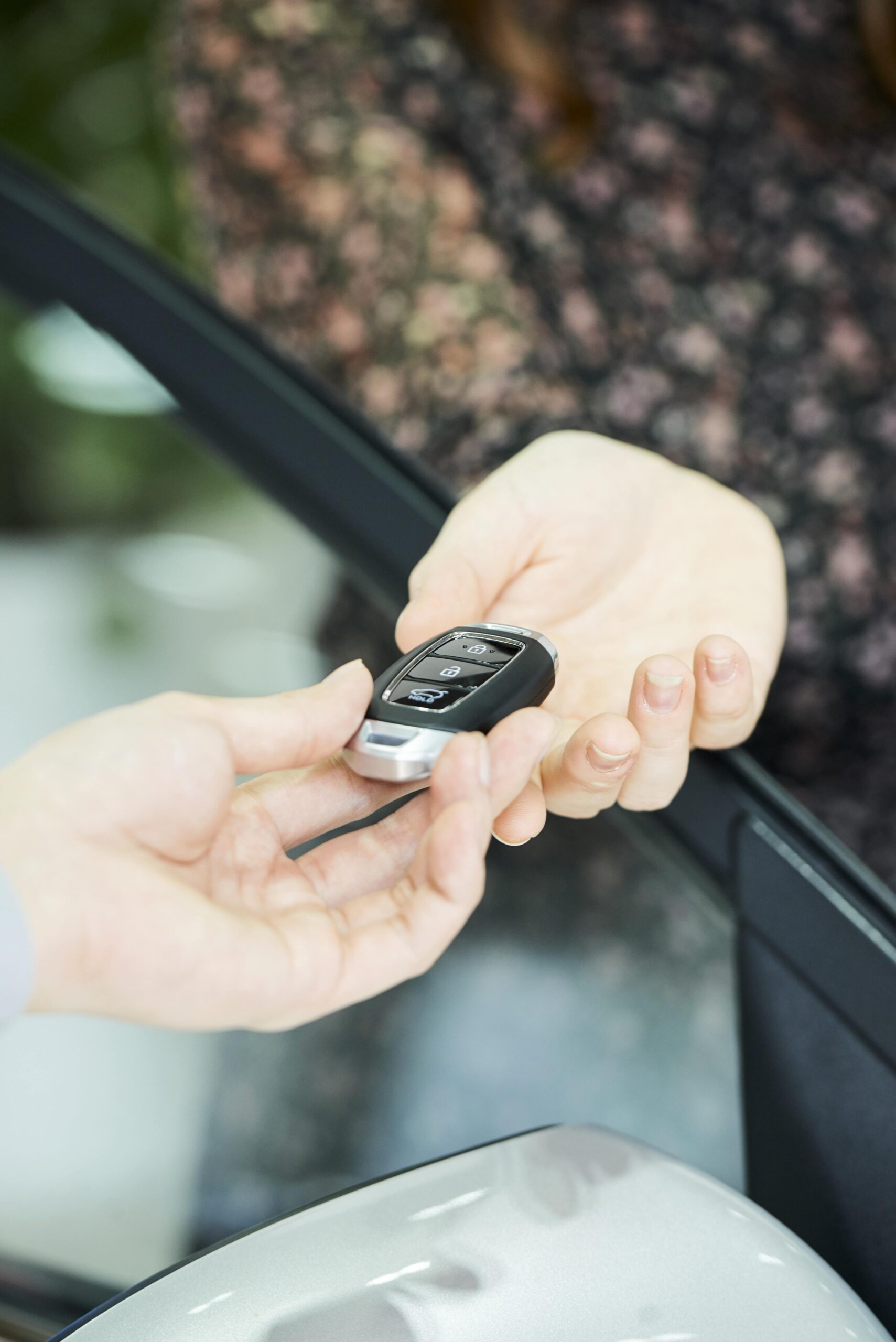
Generally used in contemporary cars with “push-to-start” functions, these are not type in the standard sense. They utilize radio frequency recognition (RFID) to communicate with the automobile. The car discovers the fob’s presence and unlocks the doors or allows the engine to begin without the fob ever leaving the user’s pocket.
Table 1: Key Types and Their Characteristics
| Key Type | Intricacy | Programs Required? | Security Level |
|---|---|---|---|
| Basic Mechanical | Low | No | Basic |
| Transponder (Chipped) | Medium | Yes | High |
| Laser-Cut | High | Generally | High |
| Smart Key/Fob | Extremely High | Yes | Superior |
| BARRELS (Vehicle Anti-Theft) | Medium | No (Uses Resistor) | Medium |
Common Scenarios Requiring Key Replacement
There are a number of situations where a replacement ends up being an outright need. Comprehending these can help figure out the seriousness and the type of expert help needed.
- Total Loss: When all copies of a key are lost, the replacement procedure is most hard, as there is no design template to copy. A locksmith or dealer should utilize the Vehicle Identification Number (VIN) or dismantle a lock cylinder to identify the “key code.”
- Physical Damage: Over time, metal secrets can bend or snap. If a key breaks inside a lock, the procedure involves 2 actions: drawing out the broken piece and then cutting a new key based on the remaining pieces or the lock code.
- Use and Tear: Keys and locks are subject to friction. Eventually, the ridges on a key wear down to the point where they no longer move the lock pins to the proper height, causing problem in turning the lock.
- Theft and Security Breaches: If a key is stolen, simply changing the key is insufficient. The lock cylinders must be rekeyed or the digital codes in a car key fob‘s computer must be wiped so the stolen key no longer functions.
The Replacement Process: Step-by-Step
Replacing a modern-day key– particularly an automotive one– is a technical treatment that generally follows these steps:
Identification and Documentation
Before a specialist can help, ownership must be validated. For automobiles, this needs the registration or title and the VIN. For domestic or commercial properties, proof of residency or authorization is necessary.
Identifying the Key Code
The key code is a string of alphanumeric characters that informs a key-cutting machine precisely how to cut the blade. If the original key is missing out on, locksmiths can often find this code through a manufacturer database utilizing the VIN.
Mechanical Cutting
Utilizing a CNC (Computer Numerical Control) device, the new key blank is cut to the specific specs of the code. This makes sure a factory-grade fit that minimizes wear on the lock cylinder.
Digital Programming
For transponder and wise keys, the mechanical cut is just half the battle. A specialized diagnostic tool is plugged into the car’s OBD-II port. The locksmith professional or technician then “syncs” the brand-new key’s unique ID to the car’s Engine Control Unit (ECU).
Expense Analysis of Key Replacement
The expense of a replacement key differs wildly depending on the innovation involved. While a house key might cost 5 dollars, a high-end lorry’s smart fob can reach numerous hundred dollars.
Table 2: Estimated Replacement Costs
| Item | Approximated Price (Locksmith) | Estimated Price (Dealership) |
|---|---|---|
| Standard House Key | ₤ 3 – ₤ 10 | N/A |
| Fundamental Car Key (No Chip) | ₤ 10 – ₤ 50 | ₤ 50 – ₤ 100 |
| Transponder Car Key | ₤ 100 – ₤ 200 | ₤ 200 – ₤ 400 |
| Laser-Cut Key | ₤ 150 – ₤ 250 | ₤ 300 – ₤ 500 |
| Smart Key/ Proximity Fob | ₤ 200 – ₤ 400 | ₤ 400 – ₤ 800 |
Note: Prices are estimates and vary based on geographical location and particular brand/model.
Locksmith professional vs. Dealership: Which to Choose?
When faced with a key replacement, consumers usually have 2 choices. Each has its advantages and disadvantages.
The Locksmith Advantage
- Movement: Most locksmiths offer mobile services, pertaining to the location of the stranded vehicle or home.
- Price: Locksmiths usually have lower overhead than dealers and charge significantly less for the exact same hardware and programs.
- Variety: They can deal with property, industrial, and automotive needs concurrently.
The Dealership Advantage
- Brand Authority: For very new or high-end exotic cars and trucks, the car dealership might have proprietary software that independent locksmiths can not yet gain access to.
- OEM Parts: Dealers constantly use Original Equipment Manufacturer parts, whereas some locksmith professionals might utilize high-quality aftermarket alternatives.
Preventive Measures and Best Practices
To prevent the stress and high expenses associated with emergency situation key replacement, individuals should consider the following proactive actions:
- Duplicate Early: The cheapest time to get a spare key is while the original is still practical. Duplicating a key is considerably less costly than creating one from scratch after all copies are lost.
- Usage Key Trackers: Small Bluetooth or GPS tracking gadgets (like AirTags or Tiles) can be connected to keychains, permitting owners to find lost keys by means of mobile phone.
- Store Key Codes: Keep a record of the key code and the VIN in a safe digital area. This speeds up the replacement procedure for locksmith professionals.
- Check Insurance Policies: Some detailed car insurance coverage policies or home insurance riders cover key replacement or offer locksmith labor compensations.
Key replacement has progressed far beyond the simple metal smithing of the past. It is now an essential service that bridges the space between physical security and digital encryption. Whether dealing with a basic padlock key or a sophisticated distance fob, comprehending the technology and the expenses involved permits individuals to make informed choices. By keeping extra keys and understanding who to employ an emergency situation, one can guarantee that a lost key is merely a temporary hassle instead of an overall security crisis.
Regularly Asked Questions (FAQ)
1. Can a locksmith professional change a key if I don’t have the initial?
Yes. Professional locksmith professionals can “originate” a key using a lorry’s VIN or by deconstructing a lock cylinder to determine the needed cuts. This procedure is more costly than an easy duplication but is basic practice in the industry.
2. Why are car dealership secrets a lot more pricey than home keys?
Car secrets considering that the late 90s include electronic parts designed to avoid hot-wiring. The expense reflects the electronic chip, the specialized laser-cutting equipment, and the licensing costs for the programming software application required to sync the key to the car.
3. The length of time does it require to get a replacement key?
A basic mechanical key takes only a few minutes. A programmed transponder or smart key usually takes between 30 and 60 minutes, presuming the locksmith has the appropriate blank in stock.

4. Can I program a new car key fob myself?
In some older lorry designs, there is an “on-board” programming sequence (e.g., turning the ignition on and off a particular variety of times). Nevertheless, most modern-day automobiles need customized diagnostic equipment linked to the car’s computer system, making professional assistance essential.
5. Does my car guarantee cover key replacement?
Many standard new-car warranties do not cover lost keys as they are considered “wear and tear” or owner carelessness. However, some extended warranties or “Key Protection” plans acquired at the time of sale do cover the costs.