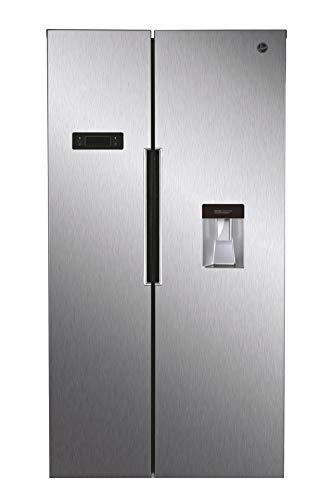

Fridge Freezer Sale
FollowOverview
-
Sectors Cleaning Services
-
Posted Jobs 0
-
Viewed 4
Company Description
10 Wrong Answers To Common Fridge Best Questions Do You Know The Right Answers?
Understanding Your Fridge: The Ultimate Guide
When it pertains to kitchen area appliances, the refrigerator has ended up being an important part of our everyday lives. Nevertheless, many individuals do not completely understand how to optimize their fridge use for efficiency, longevity, and food safety. This guide offers a thorough appearance at fridge types, company suggestions, upkeep, and answers to regularly asked concerns to assist you maximize your fridge.
Kinds of Refrigerators
Understanding the different types of fridges readily available can assist you make an informed choice based upon your way of life and kitchen area. Here’s a look at the most common types:
| Type | Description | Perfect For |
|---|---|---|
| Top Freezer | Conventional design with a freezer compartment above the cheap Fridge freezer. | Budget-conscious families |
| Bottom Freezer | Freezer lies at the bottom, making fresh food more accessible. | Those who frequently utilize fresh components |
| Side-by-Side | Two vertical compartments, one for fresh food and one for frozen. | Families who require easy access to both fresh and frozen foods |
| French Door | Features 2 doors for the fridge and a bottom drawer for the freezer. | Those who want a modern look and simple access to larger items |
| Compact Fridge | Small size, ideal for dormitories or offices. | Singles or couples with restricted area |
| Smart Refrigerator | Equipped with Wi-Fi and wise features like touch displays. | Tech-savvy people desiring benefit |
Organizing Your Fridge
An efficient fridge not just makes it much easier to discover what you need however also assists maintain food safety. Below is a guide for optimal fridge organization:
Top Shelves
- Best For: Ready-to-eat foods like drinks, leftovers, and herbs.
- Tip: Store foods that don’t need cooking at eye level for easy gain access to.
Middle Shelves
- Best For: Dairy products (milk, cheese, yogurt) and eggs.
- Pointer: Keep eggs in their initial carton to prevent odors from impacting them.
Bottom Shelves
- Best For: Raw meat, poultry, and fish, as this location is the coldest part of the fridge.
- Tip: Store raw meat in a different bin to prevent cross-contamination.
Crisper Drawers
- Best For: Fruits and vegetables.
- Tip: Keep fruits in one drawer and veggies in another. Fruits release ethylene gas, which can spoil veggies much faster.
Door
- Best For: Condiments, juices, and other items that are less delicate to temperature level changes.
- Pointer: Avoid saving eggs and milk here, as the temperature level changes more typically due to frequent opening.
Frequently Used Items
- Best For: Items that you use very often should be positioned at eye level or in the front for easy access.
Keeping Your Refrigerator
To improve the lifespan and efficiency of your fridge, routine upkeep is important. Here are some important pointers:
Cleaning
- Frequency: Every 1-3 months.
- Steps: Unplug the fridge, empty it, and clean it with a mixture of water and vinegar to remove odors and germs.
Temperature Control
- Optimal Temperature: The fridge needs to be at or below 40 ° F( 4 ° C)and the freezer at 0 ° F (-18 ° C).
- Suggestion: Use a thermometer to regularly check these temperatures.
Coil Maintenance
- Frequency: Every 6 months to a year.
- Actions: Vacuum and tidy the condenser coils situated at the back or bottom of the fridge to enhance efficiency.
Typical Concerns and FAQs
Q1: How long can food stay in the fridge?
A: Generally, leftovers can last 3-4 days, while raw meats need to be taken in within 1-2 days for safety reasons.
Q2: What should I do if my fridge breaks down?
A: Check the source of power and temperature settings. If the issue continues, seek advice from a professional service technician for repair work.
Q3: How can I reduce smells in my fridge?
A: Place an open box of baking soda in the fridge to take in odors. Routine cleansing will likewise help preserve a fresh aroma.
Q4: Can I save hot food straight in the fridge?
A: It’s best to let hot food cool down slightly before positioning it in the fridge to avoid raising the internal temperature level, which can ruin other food.
Q5: How can I make my fridge more energy-efficient?
A: Ensure that the door seals are airtight, and avoid leaving the door open for prolonged durations. Regular upkeep also improves performance.
Understanding the different elements of your refrigerator can improve food safety, minimize waste, and ultimately conserve you cash. By knowing how to arrange your fridge, maintain it, and troubleshoot typical problems, you can make sure that your fridge serves you well for many years to come. Whether you’re a cooking lover or somebody who just wishes to keep food fresh, implementing these suggestions will make a considerable difference in your day-to-day cooking area experience.