

Cooker Hood
FollowOverview
-
Sectors Cleaning Services
-
Posted Jobs 0
-
Viewed 8
Company Description
5 Killer Quora Answers To Chimney Hood
The Essential Guide to Chimney Hoods: Function, Design, and Maintenance
Intro
In the heart of every kitchen lies an important yet typically ignored home appliance– the chimney hood. This important tool not only plays an essential function in preserving a clean and pleasant environment in the kitchen however also boosts visual appeals and raises the cooking experience. In this blog post, we will check out the different kinds of chimney hoods, their functionalities, designs, and important upkeep suggestions.
| Tabulation |
|---|
| 1. What is a Chimney Hood? |
| 2. Types of Chimney Hoods |
| 3. Functions and Benefits |
| 4. Design Considerations |
| 5. Upkeep Tips |
| 6. Often Asked Questions |
1. What is a Chimney Hood?
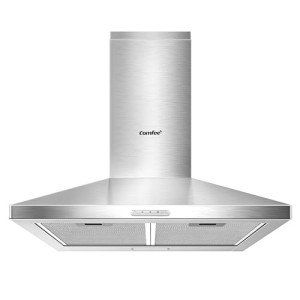
A chimney hood, also referred to as a range hood or kitchen hood, is a home appliance set up above the cooking surface to exhaust smoke, grease, steam, and smells produced throughout cooking. It typically consists of a canopy that catches the air above the stove and a ventilation system that removes it from the kitchen environment. This helps in keeping the kitchen fresh, tidy, and safe.
2. Types of Chimney Hoods
There are numerous variations of chimney hoods, each developed to deal with different cooking styles, kitchen designs, and aesthetic choices. The following table sums up the most common types:
| Type of Chimney Hood | Description | Best For |
|---|---|---|
| Wall-Mounted Hood | Installed on a wall, these hoods feature a modern design and are often utilized over a wall-mounted range. | Standard kitchen setups where space permits. |
| Island Hood | Suspended from the ceiling, these hoods are created for use with kitchen islands. | Open kitchens with islands, using a modern visual. |
| Under-Cabinet Hood | Installed below cabinets, they save space and are perfect for smaller sized kitchens. | Compact kitchens with restricted area. |
| Downdraft Hood | Integrated into the countertop, these hoods appear when needed and can be pulled back when not in usage. | Minimalist kitchens that require visual adaptability. |
| Professional Hood | Heavy-duty hoods developed for high-efficiency cooking, often featuring a commercial-grade design. | Severe home cooks or professional kitchens. |
| Ornamental Hood | Created to match kitchen decor, these hoods come in numerous shapes and products. | Design-oriented kitchens concentrating on visual appeals. |
3. Functions and Benefits
Chimney hoods serve multiple purposes in the kitchen beyond just improving air quality. Here are some essential functions and benefits:
3.1 Air Quality Improvement
One of the primary functions of a chimney hood is to improve indoor air quality. By successfully getting rid of airborne grease, smoke, and odors, it produces a healthier cooking environment.
3.2 Noise Reduction
Some premium chimney hoods are designed with sound-insulating functions, helping to reduce functional sound and providing a quieter cooking experience.
3.3 Heat and Moisture Control
Chimney hoods assist control heat and moisture levels, avoiding excessive humidity and heat buildup in the kitchen, which can result in discomfort.
3.4 Aesthetic Appeal
An elegant chimney hood can act as a centerpiece in the kitchen, enhancing the general design and making a declaration while also serving a practical purpose.
3.5 Increased Property Value
Homes with properly designed kitchen home appliances, including chimney hoods, can see a boost in property worth, as lots of prospective purchasers think about modern, practical kitchens a significant selling point.
4. Style Considerations
When picking a chimney hood, a number of design factors to consider enter play. Here are some crucial aspects to bear in mind:
- Size and Dimensions: The chimney hood ought to be at least as wide as the cooking surface area below it, with extra width chosen for improved performance.
- Ventilation Type: Choose between vented (ducted) or non-vented (ductless) systems based on kitchen design and air flow requirements.
- Product and Finish: Stainless steel, glass, and copper prevail materials. The finish needs to complement the general kitchen design.
- Motor Power: Consider the CFM (Cubic Feet per Minute) ranking; greater CFM numbers normally suggest more effective ventilation.
- Noise Level: Look for designs with lower sones (a procedure of sound) if sound is an issue.
| Style Considerations | Importance |
|---|---|
| Size and Dimensions | Makes sure appropriate fit and efficiency. |
| Ventilation Type | Impacts air quality and installation. |
| Material and Finish | Figures out aesthetic appeal and durability. |
| Motor Power | Influences performance and efficacy. |
| Sound Level | Important for comfy kitchen usage. |
5. Maintenance Tips
Proper upkeep is important to ensure the durability and performance of a chimney hood. Here are some helpful pointers:
- Clean Filters Regularly: Depending on usage, clean or replace filters each to three months to remove grease buildup.
- Clean the Exterior: Use a wet cloth and moderate cleaning agent to keep the exterior gleaming clean and without finger prints.
- Examine the Ducts: If the hood is ducted, examine the ducts for blockages and perform regular cleansings as needed to keep air flow.
- Inspect the Light Bulbs: Ensure that all integrated lights are functional, and replace any burnt-out bulbs without delay.
- Set Up Professional Maintenance: Consider having a professional examine and service the chimney hood annually for optimum performance.
| Maintenance Tips | Frequency |
|---|---|
| Tidy Filters | Every 1-3 months |
| Clean the Exterior | Monthly |
| Inspect the Ducts | Yearly |
| Inspect the Light Bulbs | As required |
| Set Up Professional Maintenance | Annually |
6. Regularly Asked Questions
6.1 How do I know what size chimney hood to purchase?
The size of the chimney hood need to be at least the exact same width as your cooking range. For optimal performance, think about a hood that extends a minimum of 3-6 inches beyond the range on both sides.
6.2 do I require a ducted or ductless chimney hood?
If you have the capability for ductwork, a ducted hood is usually more efficient at ventilating smoke and odors outside. If not, a ductless hood with filters can still provide some level of air purification.
6.3 How often should I clean my chimney hood?
Filter cleaning frequency can differ based on cooking habits. Generally, it is advisable to tidy or replace filters every one to 3 months. Regular outside cleaning should be done monthly.
6.4 Can I set up a chimney hood myself?
While some chimney hoods feature DIY setup sets, it’s always recommended to work with a certified expert, especially for ducted setups, to guarantee security and compliance with building regulations.
6.5 What is the average expense of a chimney hood?
Chimney hood (https://www.Carminamacvane.top) rates vary extensively depending on the type, brand, and functions. Fundamental designs can begin around ₤ 100, while high-end designs can review ₤ 1,500.
Chimney hoods are essential in modern kitchens, using both aesthetic and functional worth. Comprehending the different types, their benefits, style factors to consider, and maintenance pointers will allow house owners to make informed choices that improve their cooking environment. Whether you prefer a smooth, minimalist look or a robust, professional design, there is a chimney hood out there that perfectly suits your requirements.