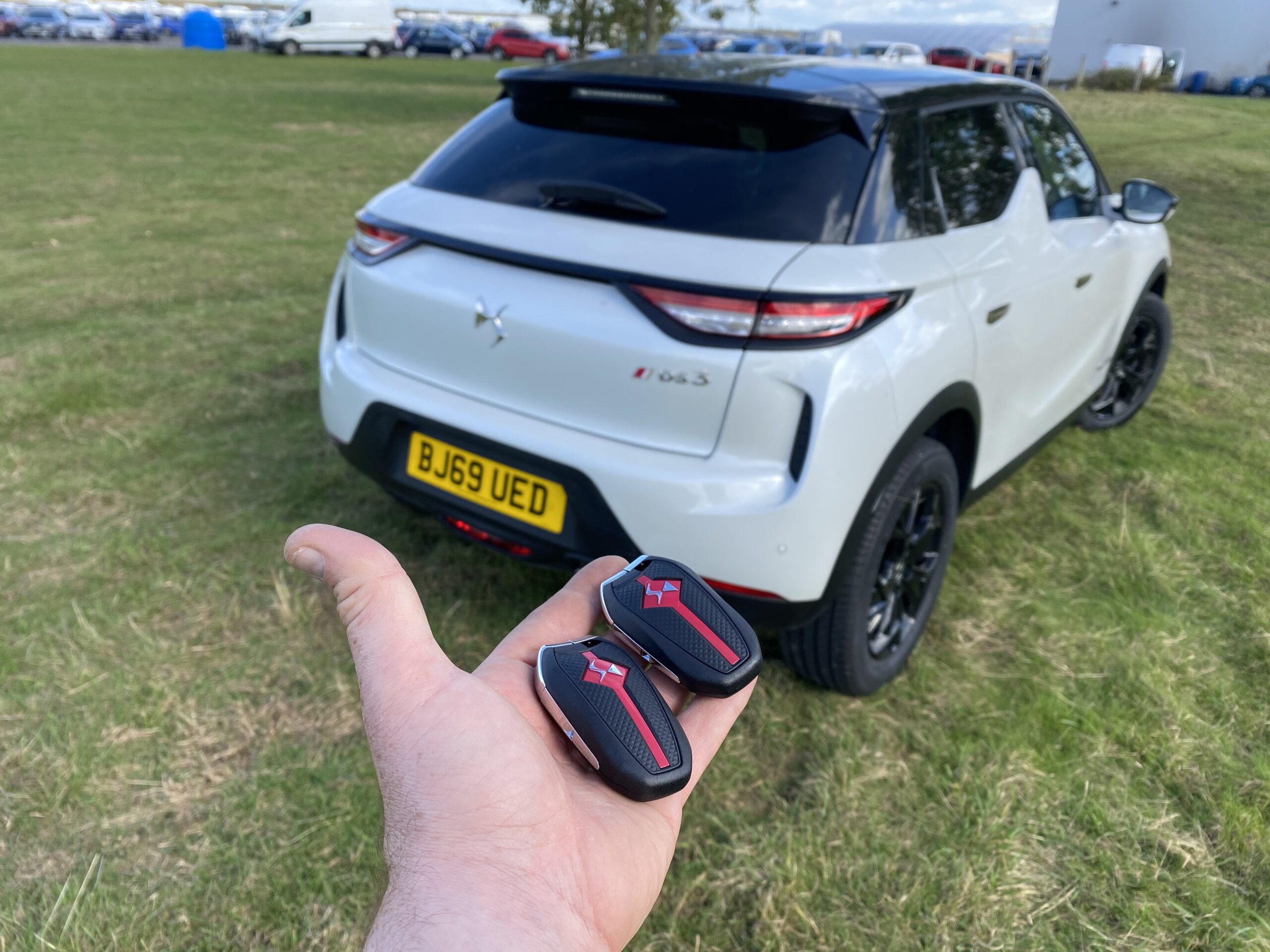

Programming Car Keys
FollowOverview
-
Sectors Cleaning Services
-
Posted Jobs 0
-
Viewed 11
Company Description
15 Reasons Not To Be Ignoring Mobile Key Programming
The Modern Guide to Mobile Key Programming: Technology, Convenience, and Security
The vehicle industry has actually undergone an extreme improvement over the last 2 decades. Gone are the days when a basic mechanical key, cut at a local hardware shop, might begin a lorry. Today’s cars are essentially computer systems on wheels, and their security systems are equally sophisticated. When these electronic parts fail or secrets go missing, a specialized service referred to as mobile key programming becomes important.

This post explores the elaborate world of mobile key programming, examining how it works, why it has actually exceeded standard car dealership services in popularity, and what lorry owners must learn about the technology keeping their cars protect.
What is Mobile Key Programming?
Mobile key programming is a customized service provided by vehicle locksmiths who take a trip directly to a vehicle’s area to develop, cut, and electronically sync a brand-new key or fob to the car’s onboard computer system. This procedure involves more than simply physical workmanship; it requires high-level diagnostic tools that interface with the car’s Immobilizer System (IMMO).
Since the late 1990s, the majority of automobiles have actually been geared up with a transponder chip hidden inside the plastic head of the key. When the key is inserted into the ignition or the “Start” button is pushed, the car’s Engine Control Unit (ECU) sends out an electronic signal to the key. If the digital signature of the key matches what is saved in the ECU, the engine begins. If not, the immobilizer eliminates the fuel flow, preventing theft. Mobile key programming is the act of teaching the ECU to acknowledge a brand-new digital signature.
Common Types of Vehicle Keys
Not all keys are developed equivalent. The intricacy of the programming depends largely on the age and make of the vehicle.
Table 1: Visual Breakdown of Key Types
| Key Type | Description | Programming Requirement |
|---|---|---|
| Conventional Mechanical | A plain metal key without electronics. | None (Physical cut just). |
| Transponder Key | Contains a small RFID chip in the plastic head. | Requires syncing the chip to the car’s ECU. |
| Remote Head Key | A transponder key with buttons for locking/unlocking. | Needs programming for both the engine and the remote. |
| Smart Fob Key Programming Near Me (www.saulveth.top) (Proximity) | Uses “Push to Start” technology; remain in the pocket. | Highly complex file encryption pairing by means of OBD-II port. |
| Flip Key | A mechanical blade that folds into a remote real estate. | Digital syncing and physical blade cutting. |
The Benefits of Mobile Services vs. Dealerships
For several years, the local car dealership was the only alternative for replacing a state-of-the-art car key. However, mobile key programming has actually altered the landscape by using a number of distinct advantages.
1. Eliminating Towing Costs
If a lorry owner loses their only set of keys, the car is immobilized. To get it to a dealer, the owner needs to spend for a tow truck, which can be expensive and logistically frustrating. A mobile locksmith professional brings the “store” to the car, saving both money and time.
2. Speed and Efficiency
Dealerships frequently operate on a stringent schedule and might require a consultation days beforehand. In addition, they might not have the specific key blank in stock. Mobile developers usually carry a wide inventory of blanks and fobs and can often finish the task within an hour of showing up.
3. Cost-Effectiveness
Due to the fact that mobile professionals do not have the massive overhead of a multi-million dollar showroom, they can often provide rates that is 30% to 50% lower than the producer’s car dealership.
Table 2: Comparison of Services
| Feature | Mobile Key Programming | Car Dealership |
|---|---|---|
| Place | At the customer’s vehicle | Must transfer car to the store |
| Reaction Time | Generally same-day/Emergency | Typically requires a visit |
| Towing Required | No | Yes (if secrets are lost) |
| Pricing | Competitive/Moderate | Normally Premium/High |
| Devices | Specialized aftermarket & & OEM tools | OEM-specific diagnostic tools |
The Step-by-Step Process of Mobile Key Programming
When a professional arrives on-site, the procedure follows a technical workflow developed to ensure the security of the automobile is maintained while a brand-new key is introduced.
- Verification of Ownership: To avoid theft, the professional must validate the automobile’s registration and the requester’s recognition.
- Physical Key Cutting: Using a laser-cutting device or a traditional mechanical cutter, the professional develops the physical blade based upon the automobile’s “key code” or by translating the door lock cylinder.
- OBD-II Connection: The technician plugs a specific programming tool into the car’s On-Board Diagnostics (OBD-II) port.
- Pin Code Extraction: Many modern-day automobiles (such as Nissans, Chryslers, and Volkswagens) need a specific security PIN to access the programming menu. Professionals use software application to bypass or pull this code from the lorry’s memory.
- Deleting Old Keys: If the secrets were stolen, the service technician can “clean” the old keys from the car’s memory so they will no longer start the engine.
- Writing New Data: The new transponder chip information is published to the ECU’s whitelist.
- Practical Testing: The specialist tests the remote buttons, the proximity sensor, and– most importantly– the engine start.
Why Professional Tools Matter
While some owners attempt “DIY” programming using inexpensive tools found online, this is typically a dangerous venture. Modern lorry security systems are created to lock down (or “brick”) the computer if they spot unauthorized access or multiple failed programming attempts.
Professional mobile developers utilize high-end diagnostic suites from brand names like Autel, Zed-FULL, or Advanced Diagnostics. These tools are updated constantly to handle the rolling code file encryption utilized by brands like BMW, Mercedes, and Toyota.
Aspects That Influence Programming Complexity
- Year, Make, and Model: A 2005 Ford is considerably simpler to program than a 2023 Range Rover.
- “All Keys Lost” Scenario: Programming a second key (a “replicate”) is constantly less expensive and much easier than developing a key when none exist, as the computer is currently opened for the specialist.
- European Security Modules: European brand names typically use complex EEPROM (Electrically Erasable Programmable Read-Only Memory) systems, which might require getting rid of the computer system chip itself to compose data straight to it.
Often Asked Questions (FAQ)
Q: Can any car key be set by a mobile locksmith?
A: Most vehicles on the road today can be serviced by a mobile expert. However, some brand-new models (released within the present year) or high-security high-end brands may occasionally require a trip to the dealership if the proprietary software has not yet been released to the secondary market.
Q: How long does the programming procedure take?
A: For many standard domestic and Japanese automobiles, the process takes between 15 and 45 minutes. European models or “all secrets lost” circumstances for luxury automobiles may take 1 to 2 hours.
Q: Can a mobile developer program a key I purchased online?
A: Many will try, however many professionals advise against it. Aftermarket keys found on discount sites frequently have a high failure rate, incorrect frequencies, or chips that can just be “locked” as soon as. A lot of locksmiths supply a warranty only on the parts they offer themselves.
Q: Will programming a brand-new key space my lorry service warranty?
A: No. According to the Magnuson-Moss Warranty Act, a producer can not void a service warranty merely since an aftermarket part or service was utilized, supplied the service was carried out properly and did not damage the lorry’s systems.
Q: What is a “ghost” key/fob?
A: In the context of programming, this usually describes an old key that stays in the car’s memory but is no longer physically present. A professional developer can see the number of keys are “understood” by the car and delete any that the owner does not presently have.
Mobile key programming is an essential intersection of locksmithing and infotech. It offers a necessary safety internet for motorists who discover themselves stranded or in requirement of a spare key without the hassle of dealer administration. By comprehending the technology behind these systems and the convenience of on-site service, car owners can make informed decisions that save both money and time while ensuring their automobile’s security stays uncompromised.
As automotive technology continues to progress toward biometric and smartphone-based entry, the function of the mobile developer will continue to adjust, proving that even in a digital world, a professional touch is still required to keep the wheels turning.