

Static Bike Exercise
FollowOverview
-
Sectors Cleaning Services
-
Posted Jobs 0
-
Viewed 57
Company Description
Searching For Inspiration? Check Out Exersise Bike
The Comprehensive Guide to Exercise Bikes: A Pathway to Fitness
In the world of fitness, stationary bicycle have carved a sought after specific niche, integrating convenience with effectiveness for lovers and beginners alike. Whether one is aiming to lose weight, develop endurance, or merely stay active, the exercise bike offers a versatile and effective workout. This article dives deep into the world of stationary bicycle, discussing their benefits, types, essential features, and tips for taking full advantage of workouts. Moreover, an FAQ section addresses typical queries for anyone considering investing in this physical fitness equipment.
The Benefits of Using an Exercise Bike
Stationary bicycle offer a myriad of advantages that deal with various physical fitness levels and goals. Some of the noteworthy benefits include:
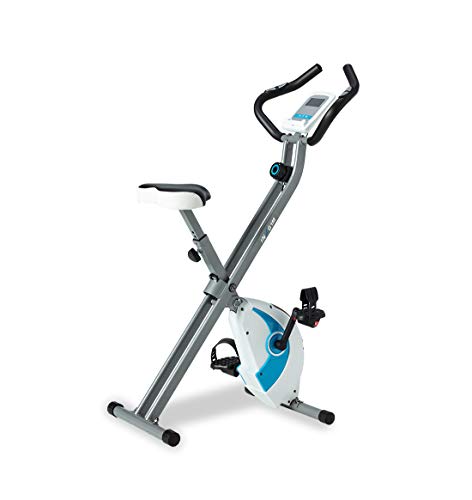
- Low Impact on Joints: Cycling is gentle on the joints, making it an ideal exercise for individuals with joint issues or arthritis.
- Cardiovascular Health: Regular usage enhances heart health by increasing cardiovascular endurance and promoting better blood circulation.
- Weight Management: A consistent cycling routine can support weight loss and management by burning significant calories.
- Convenience: Exercise bikes provide the versatility to exercise in the house, eliminating the need for health club journeys.
- Modification of Workouts: Many designs come geared up with programmable functions, permitting users to tailor exercises based on their objectives and physical fitness levels.
Table 1: Benefits of Using an Exercise Bike
| Advantage | Description |
|---|---|
| Low Impact | Mild on joints, ideal for all fitness levels. |
| Cardiovascular Health | Improves heart function and flow. |
| Weight Management | Help in burning calories for weight reduction. |
| Convenience | Allows workouts from the comfort of home exercise bikes. |
| Modification | Numerous designs use programmable exercise functions for customized routines. |
Types of Exercise Bikes
When considering an exercise bike, it’s crucial to understand the numerous types available. Each type has its unique features and advantages:
- Upright Bikes: Resembling conventional bicycles, these bikes engage the core and upper body while concentrating on the legs.
- Recumbent Bikes: These bikes feature a reclining seat that offers back support, making them perfect for people with back problems.
- Spin Bikes: Designed for high-intensity exercises, spin bikes have a heavier flywheel and enable standing while pedaling.
- Air Bikes: These bikes utilize air resistance; the more difficult you pedal, the higher the resistance, promoting a full-body workout.
Table 2: Types of Exercise Bikes
| Type | Description | Perfect For |
|---|---|---|
| Upright | Traditional bike posture, engaging core and legs. | General physical fitness lovers. |
| Recumbent | Supports the back, perfect for those with pain. | Individuals with back problems. |
| Spin | Heavy flywheel for high-intensity, standing workouts. | Severe cyclists and athletes. |
| Air | Utilizes air resistance; promotes full-body exercises. | High-intensity training seekers. |
Secret Features to Consider
When selecting an exercise bike, several crucial features ought to be considered to ensure you make a notified choice:
- Adjustability: Look for bikes with adjustable seats and handlebars to make sure a comfy fit.
- Resistance Type: Bikes might offer magnetic, air, or friction resistance. Consider which type aligns with your workout choices.
- Keeping an eye on Features: Features such as heart rate screens, calorie counters, and exercise programs can improve your biking experience.
- Portability: If space is a concern, select a bike home exercise that is compact and simple to move.
- Service warranty and Support: Ensure the bike includes a good guarantee and client assistance for peace of mind.
Table 3: Key Features of Exercise Bikes
| Function | Importance |
|---|---|
| Adjustability | Necessary for convenience and correct kind throughout workouts. |
| Resistance Type | Affects workout strength; pick based upon personal goals. |
| Monitoring | Assists track progress and maintain motivation. |
| Portability | Important for small spaces; simple to relocate or save. |
| Warranty | Offers guarantee concerning the bike’s durability. |
Tips for Maximizing Your Workout on an Exercise Bike
To get the most out of your stationary bicycle sessions, think about the following pointers:
- Warm-Up Properly: Just as with any exercise, starting with a warm-up is crucial. Invest 5-10 minutes cycling at a low intensity.
- Differ Intensity: Incorporate periods by alternating in between low and high resistance. This method can boost cardiovascular fitness and calorie burn.
- Keep Proper Form: Keep your back straight and core engaged while cycling. Prevent leaning forward exceedingly to avoid stress.
- Hydrate: Keep water nearby and ensure you stay hydrated throughout your exercise.
- Track Progress: Use the bike’s tracking functions to track your heart rate, distance, and calories burned. This can help you set goals and remain encouraged.
Frequently Asked Questions (FAQ)
1. How frequently should I use a stationary bicycle?
For ideal outcomes, goal for at least 150 minutes of moderate-intensity cycling weekly. This can be broken down into manageable sessions of 30 minutes, 5 days a week.
2. Can I reduce weight utilizing an exercise bike?
Yes, routine and intense biking can help in weight reduction by burning calories and boosting metabolism. Pair your exercises with a balanced diet for the finest outcomes.
3. What is the difference in between upright and recumbent bikes?
Upright bikes imitate conventional bicycle positioning, engaging the core and upper body, while recumbent bikes use an encouraging seat, minimizing stress on the back and supplying a much easier trip.
4. Are stationary bicycle ideal for newbies?
Absolutely! Exercise bikes can be adjusted to fit different physical fitness levels. Newbies can start at lower resistance and slowly increase strength as they construct strength and endurance.
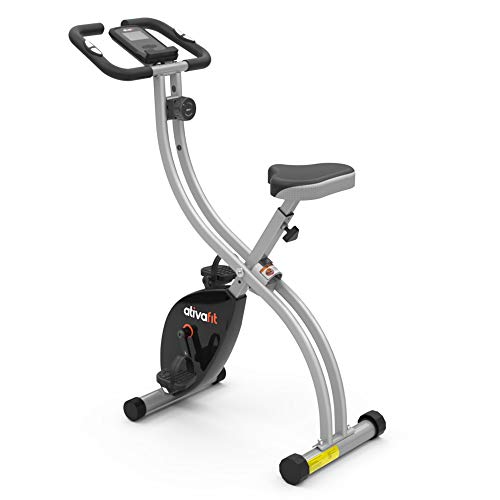
5. How do I maintain my stationary bicycle?
Regularly inspect and tighten up bolts, clean the bike after use, and lubricate moving parts as needed. Follow the maker’s maintenance recommendations for particular care guidelines.
Exercise bikes are a flexible tool for anybody aiming to improve their physical fitness journey. By comprehending the different types, crucial features, and ideal usage suggestions, people can choose the ideal bike and maximize their workouts effectively. Whether utilized for leisurely biking or intense training, an mini cycle exercise bike bike can supply a strong structure for a much healthier way of life. So, consider hopping on a stationary bicycle exercise bicycle and pedaling your way to much better health!